There was no shortage of storylines as the U.S. Women’s National Basketball Team opened training camp at Duke University, but the most consequential discussion extended well beyond the court.
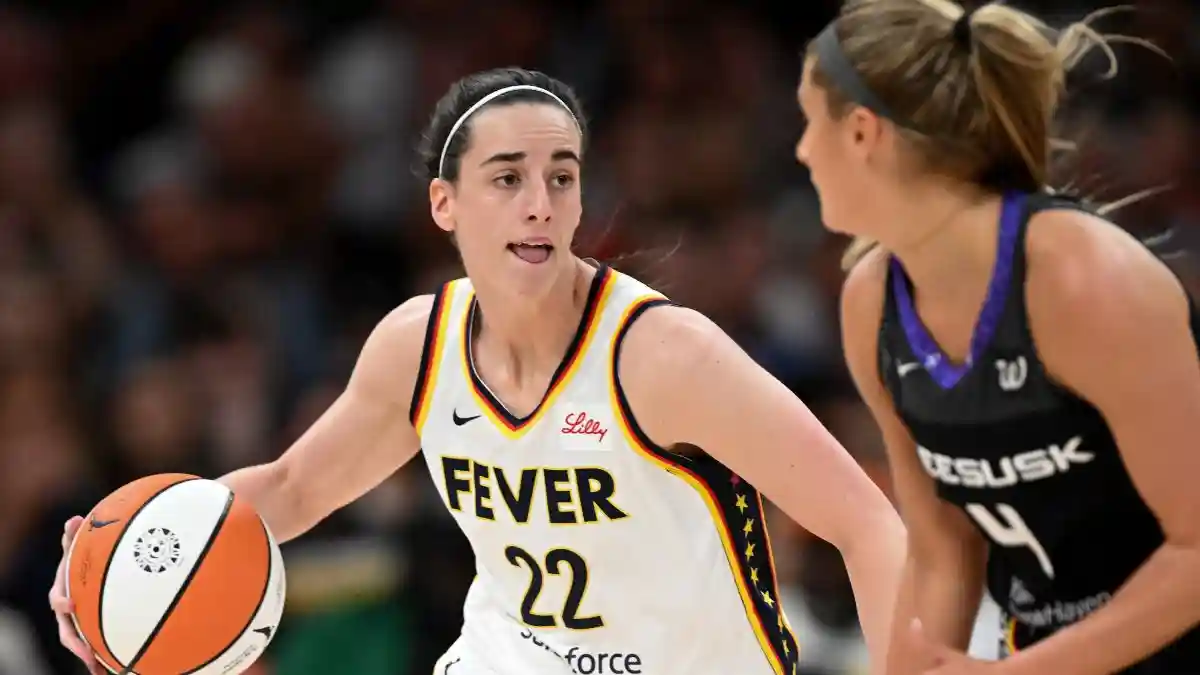
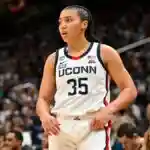
Caitlin Clark returned to full basketball activity after injuries limited her to just 13 games during the 2025 WNBA season. Angel Reese, Paige Bueckers and JuJu Watkins were among those making their senior national team camp debuts, while Kara Lawson began her tenure as head coach under newly appointed managing director Sue Bird.
Yet as practices began, players consistently redirected attention to the unresolved collective bargaining agreement negotiations between the WNBA and the WNBPA — talks that many believe will shape the league’s future.
Caitlin Clark on the CBA: “The Biggest Moment the WNBA Has Ever Seen”
Clark, one of the league’s most visible figures, framed the negotiations as a defining inflection point.
“This is the biggest moment the WNBA has ever seen,” Clark said. “It’s not something that can be messed up. We’re going to fight for everything that we deserve, but at the same time, we need to play basketball.”
Caitlin Clark shares her thoughts on state of CBA negotiations, avoiding a lockout, etc. at Duke.
— Shelby Swanson (@shelbymswanson) December 12, 2025
She’s here for USA Basketball Training Camp under HC Kara Lawson, one of 10 players making their first senior national team camp appearance. pic.twitter.com/JWSYC5Bw1Z
Her comments come as the league experiences historic growth. WNBA viewership increased 6% year-over-year across 25 regular-season games on ESPN, averaging 1.3 million viewers — the network’s most-watched WNBA regular season. The postseason averaged 1.2 million viewers on ESPN and 1.3 million across all platforms, the highest since 1999.
That momentum, players believe, heightens the urgency of reaching an agreement that allows the league to move forward without disruption.
Growing Frustration From the Players’ Side
Despite recent extensions keeping negotiations alive, frustration remains evident.
“It’s a little bit disheartening,” WNBPA first vice president Kelsey Plum said. “Just the frustration in negotiations and how far away we are.”
Both sides agreed to a second extension just minutes before the previous CBA expired on Nov. 30. The agreement now runs through Jan. 9, though either side may opt out with 48 hours’ notice.
At the center of the dispute is the league’s proposed salary model. The WNBA’s latest offer includes a $1 million max base salary, a salary cap increase from $1.5 million in 2025 to $5 million, and a 50% share of a revenue metric. According to multiple sources familiar with the negotiations, that metric would exclude certain revenue streams and deduct expenses, resulting in players receiving less than 15% of total league revenue.
The union countered with a proposal seeking a larger share of league and team revenue, alongside broader structural changes.
Beyond Salaries: Union’s Broader Push
In addition to a revamped salary framework, the WNBPA is pushing to eliminate the core designation, enhance parental leave for non-birthing parents, reimburse mental health care costs, improve retirement benefits, and establish minimum operational and staffing standards across teams.
Any formal work stoppage would require action by either side — a lockout initiated by ownership or a strike called by players.
Clark emphasized that while players are unified, flexibility remains part of the process.
“There are different things that we can find ways to say ‘No, we certainly deserve that and we’re not going to compromise on that,’” Clark said. “And then other things that we can probably compromise on. Like I said this is the biggest moment in the history of the WNBA. I don’t want that to be forgotten. It’s important that we find a way to play this next season. Our fans and even everybody that has played in this league that has come before us deserve that as well.”
Angel Reese, Cameron Brink Echo Call for Unity, Progress
Angel Reese, who is under contract with the Chicago Sky through 2027, echoed Clark’s message of collective resolve while stressing preparation for the future.
“Everybody’s very intentional about what we want. … We’re riding together on everything,” Reese said. “So, I’m preparing for a season like everybody else, but … it’s really important for us to come to a common ground that we can all agree on. It’s all fair and everybody benefits from it.”
Los Angeles Sparks forward Cameron Brink said players remain locked in as the deadline approaches.
“As someone that’s part of the league, definitely would be silly not to follow closely,” Brink said. “So it’s definitely something I’m paying attention to. And I would say I’m preparing in the same way that the season’s going to come around at some point. So, just waiting like everyone else.”
Momentum vs. Uncertainty
Within days of extending the current CBA, the league reportedly presented a revised proposal that could push maximum player earnings to $1.2 million when revenue sharing is included. The WNBPA, however, is expected to reject the offer over concerns about how revenue is calculated.
Revenue sharing remains a flashpoint. Under the current agreement, players receive 9.3% of league revenue. According to reporting, the league’s latest proposal would keep players below 15%, with projections showing that percentage decreasing over the life of the deal.
As training camp continues in Durham, the league’s brightest stars are preparing for competition — while also navigating negotiations that could determine how, and under what conditions, the WNBA’s next chapter unfolds.