The NBA has a prosperous future thanks in part to an 11-figure television deal but a situation like Darius Garland’s highlights its dark side.
Sunday may be a day of rest but the NBA made it clear that Monday is not.
The Association administered a $250,000 fine to the Cleveland Cavaliers for keeping Darius Garland out of the Nov. 24 game against the Toronto Raptors, as opposed to the day before’s showdown with the Los Angeles Clippers. It’s the Cavs’ second such fine this season, when Donovan Mitchell and Evan Mobley‘s united absences from a Nov. 12 tilt in Miami cost them $100,000.
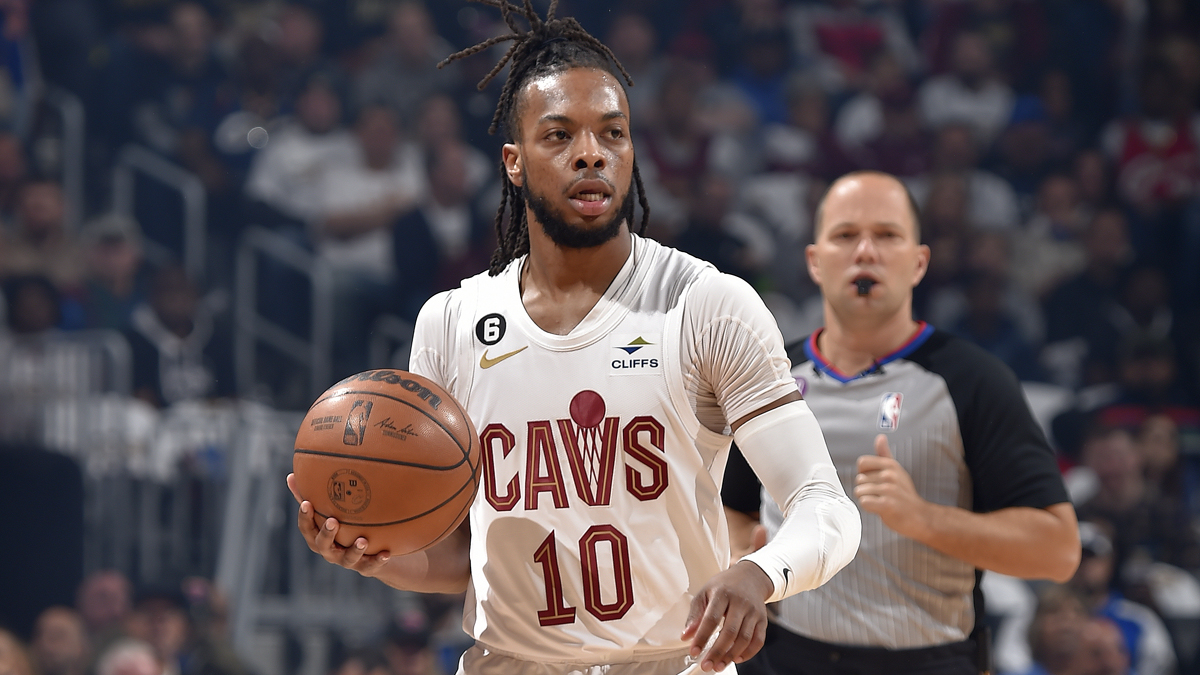
Back then, the Cavs were punished for sitting two “star” players. The difference between the two games in the Garland situation was that the trip north was a nationally-televised showdown, streamed on Peacock as part of the league’s new television deal with NBC. Garland, who has dealt with injuries dating back to the Cavs’ abbreviated playoff run from last spring, fits the defined criteria as a “star” player thanks to his All-Star Game appearance from last winter.
Can’t Please Everyone?
While the NBA has lost a good bit of real estate in the American imagination to the NFL, its news cycle remains powerful enough to bury some of the more troubling stories. At this time last year, for example, there was genuine discussion over whether the league maintained its lasting impact, especially with a regular season that appears increasingly lengthy thanks to the plethora of nagging injuries across Association medical lists.
To its credit, the league has rendered that notion null this season. All it really had to do, frankly, was showcase its newly-acquired $76 billion check in its detractors faces: that’s how much the networks of NBC, Amazon, and the returnees of The Walt Disney Company are paying to have the Association’s antics broadcast across their air and streaming waves. The new media developments, which tipped off this season, have drummed renewed interest in early NBA play: viewers have flocked to the nostalgic offerings of NBC while Amazon’s coverage on its Prime Video streaming service has garnered positive reviews early on.
The NBA has done a solid job of appeasing its partners new and old: a good bit of NBA Cup action is streamed on Prime while NBC obtained almost all of All-Star Weekend. Disney’s ABC and ESPN’s prizes remain mostly the same, though they and the newcomers no doubt cherish having exclusive rights to first-round playoff games, which were shared were regional sports networks until last year.
Prepping to please perhaps came to fruition in September 2023: frustrated with the concerns of “load management,” the Association introduced its Player Participation Policy to ensure that its star attractions would be on the floor more often. The PPP particularly centered on the headliners, defining “star players” as any man “selected to an All-NBA Team or an NBA All-Star team … in any of the prior three seasons.”
To date, Cleveland is the first team to land the two PPP violations to trigger the $250,000 fine. A third will raise the penalty to seven figures. Knowing Cleveland’s injury woes that have narrowed their last two playoff trips and how much is left to go in this season, the Cavs better have at least something in savings.
The Garland Fine Sets a Troubling Precedent
It’s understandable as to why the league is engaging in such a practice: the increasingly number of injuries (namely those of the soft tissue variety) ensure that load management isn’t going anywhere. It’s unfortunate enough when, say, LeBron James denies Charlotte a yearly audience when the rigors of 40 require him to take a break. Fiddling with in-conference games so one chooses early-season NBA over catching up on Happy’s Place seems increasingly irresponsible
The risk of injury has become so great the All-Star Game has become a hallow, defenseless shell of its former self, on that has forced the NBA to resort to numerous tactics of forced competitiveness, the latest being a “USA vs. the World” iteration likely inspired by the NHL’s lauded 4 Nations Face-Off. So load management is a reality the league will have to always deal with barring a very unlikely cutdown from the current 82-game slate.
But trying to police load management based on television assignments sets a bad precedent, showing a subtle callousness that puts the needs of an 11-figure check and a national audience whose subscription rates just went up before those of the human beings on the floor.
Even the most amateur of medical observers—so probably 95 percent of a viewing audience of a nationally-televised game—knows that medical decisions are not made on the fly. Timing down to the last second is considered, particularly in the factors of pain tolerance, stability, and preventing further damage. Thrusting a factor like television schedules into the mix, lest the examining team face a fine, seems like a silly change that should be avoided.
Sports fans thrive on the supposed thrill of victory and agony of defeat, but the fact of the matter is some aspects of the latter are completely out of the participants’ control. This is a world, after all, that views Sam Bowie, Steve Emtman, Robert Griffin III, Greg Oden, and countless others as notorious draft busts for the sole criteria of getting hurt while playing a physically-demanding at-best and violent at-worst game. Resting players like Garland, Mitchell, and Mobley to ensure they stay healthy enough to ensure that a potentially lasting injury doesn’t become their legacy still undermines the human aspect that makes the games and their accompanying broadcasts so special.
No one’s saying that all sides involved in this conversation shouldn’t seek a victorious return on investment. But there has to be, pardon the pun, a healthier way to do it.
Geoff Magliocchetti is on X @GeoffJMags